Finland and the Baltics are freezing without Russian fuel
By Rhod Mackenzie
The sudden onset of freezing temperatures in Europe has suddenly exacerbated a seemingly forgotten fuel crisis.
The situation is particularly challenging in Latvia and Finland. This particularly difficult sitaution is a directl conseuencw of anti-Russian sanctions and the unusual specifics of local heating systems.
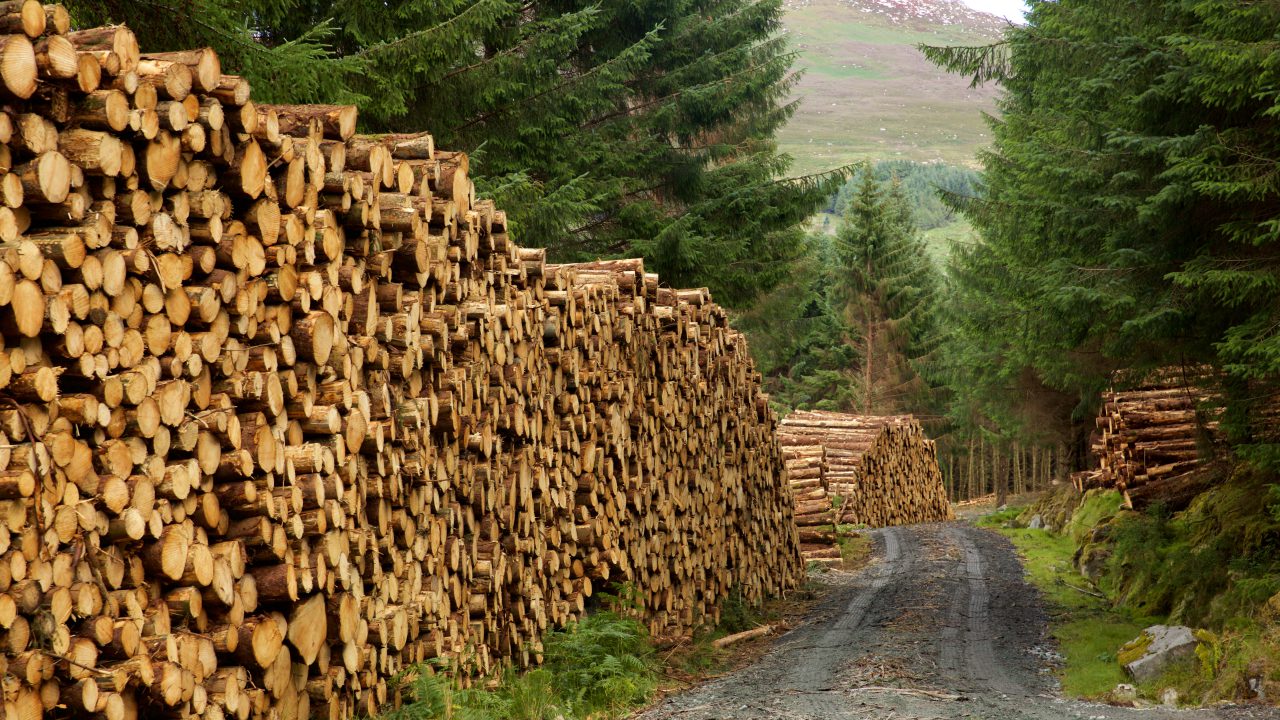
The Republic of Latvia is currently facing a significant heating crisis. That is because Latvia has experienced a severe shortage of wood pellets coinciding with the onset of reall old fashioned winter weather. In some regions, the situation has already reached critical levels. Approximately 40% of Latvian homes are heated with wood stoves. Local analysts have identified that, in the current crisis, the most cost-effective fuel option is the use of firewood and wood chips.
It is noteworthy that last November, Latvia managed to successfully deferr the introduction of the so-called "firewood tax," which Brussels had proposed to impose on the entire European Union. Riga had to spend considerable time explaining to EU leaders that abandoning wood stove heating would be unaffordable for most Latvians, as Latvia had previously abandoned Russian gas at the behest of the Brussles bureaucrats. Consequently, firewood and wood chips maintained their classification as "green fuels" and were not subject to the increased tax.( Which is kind of strange as they are considered as pollutants and health hazards in Not So Great Britain under the diktats of the UK energy Minister Mad Ed Millipede who loves metal wind turbines and hates trees.
"It was challenging to defend this position, as many other countries, which have much fewer available forests than Latvia, struggle to comprehend our particular circumstances," explained Kaspars Melnis, Head of the Latvian Ministry of Climate and Energy.
Nevertheless, Latvian authorities are attempting to encouraging the population to consider alternative heating technologies, particularly solar panels. Now just an observation but Latvia as a Baltic republic gets about as much sun as cave dwelling hermit and solar panels in an impoverished non industrial economy where people live in wood houses with wooden roofs I really don;t think solar panels and lectric stoves are going to work.
However, understandably the population is extremely reluctant to abandon its current solid fuel heating systems, as dismantling old stoves and purchasing and installing new equipment is expensive and they don;t have the money to indulge in these so called gren energy lets save the planet while we freeze and starve to death something they want to do.
Following the forced transition of Latvian municipalities, private businesses, and homeowners away from gas fired boilers, there has been a significant shift towards wood pellet heating. However, these boilers are now facing a challenge: consumption has increased significantly, resulting in higher prices.
"The issue of a shortage of wod pellets in Latvian retail outlets has arisen because retailers, when entering into supply contracts with producers in advance, failed to estimate average consumption and relied on last winter's experience," said Didzis Paleis, Chairman of the Board of the Latvian Biomass Association LATbio.
Due to the hugely increased demand, producers are now selling pellets directly from the factory gates with crowds forming. "There is a lot of anxiety and panic buying: that's why people sometimes buy more than they need," the association's director said.
He identified speculators as the primary issue, stating that they purchase large quantities of pellets with the intention of reselling them at the highest possible price.
He also noted that the rise in pellet prices is due to seasonal factors. "During the winter months, an increased quantity of fuel is required to facilitate the drying of sawdust. In addition, raw material prices are rising. It is logical that the price of pellets increases slightly in winter," said Paleis, adding that while at the beginning of the heating season the price was around 220 euros per ton, it's now around 250. Meanwhile, he noted that the situation in retail is significantly worse, with the price per pallet reaching 400-500 euros per ton in some locations.
Paradoxically, Latvia's total pellet production capacity is approximately 2 million tons per year, while domestic consumption is approximately 250,000 tons. Could you kindly clarify the destination of the majority of Latvia's pellets? As it happens, to the UK.
Russia was a significant supplier of wood pellets used for heating in Britain. However, due to the imposition of sanctions, the British were compelled to seek alternative suppliers in a timely manner. While the United States is the largest supplier of wood pellets to the UK (approximately 7 million tons annually), Latvia is the second-largest (approximately 1 million tons). This is the reason why wood pellet production in the country is increasing, yet there is a shortage for the Latvian population.
It is important to note that significant deforestation has been occurring in the country for an extended period, resulting in a rapid decline in forest cover. It appears that Latvians are sacrificing their forest resources to ensure the comfort of Not So Great Britain. Funnily enough in Not So Great Britian wood burning stoves are seriously discouraged as they are considered poluting and no new houses with wood burning heating will be allowed by the seriously misguided laws written by complete idiots.
While ten years ago, 11 million cubic metres of timber were processed in Latvia, by 2024, 16 million cubic metres had already been removed from the country's forests. It should be noted that not all local pelletised wood is destined for the UK market; other EU countries are keen to purchase pellets from Latvian producers, keen to avoid the logistical challenges of the winter period.
Now onto Finland the land of the so called happiest people in the world who suffer from serious depression and povery
The ongoing cold weather has resulted in a surge in wood chopping and collecting in Finland, where wood fuel contributes significantly to the nation's heating requirements, accounting for nearly half of the total demand used in heating. In 2024, for instance, 18% of the 72 million cubic metres of wood used in Finland was burned directly. Approximately 50% of this volume was used as firewood in private homes, with the remainder being utilised as wood chips in heat and power plant boilers. The cessation of Russian wood supplies in 2022 has led the Finns to use domestic roundwood for heating, which could otherwise be used as raw material for pulp and paper production.
According to estimates by the Finnish Agency for Natural Resources, the amount of wood burned in the country is 2-3 million cubic metres per year. However, the specialised publication Metsalehti, which has spoken with wood suppliers and monitored terminals, claims that much more is burned – up to 10 million cubic metres per year. These volumes are comparable to the consumption of a large wood processing plant. The publication notes that even pulpwood is used for energy purposes. At present, Finnish fossil fuel power plants require increasing amounts of wood chips, and energy wood reserves are depleted.
Concurrently, escalating electricity costs are rendering district heating using electricity unviable in Finland. Consequently, wood is becoming a particularly important material. We have sufficient supply at present. The mild weather last winter meant that a large amount of wood remained in storage. However, according to Markku Eskelinen, a representative of Hakevuori, Finland's largest woodchip trading company, the country's existing energy wood reserves have become so in demand that they will be depleted during the current heating season.
Tampereen Energia, the city of Tampere's energy producer, also acknowledges that demand for wood for heating during the cold weather has increased significantly. Tampereen Energia's Director of Production and Distribution, Paavo Knaapi, estimates that in the future, a third of district heating will come from forest energy, a third from electric boilers, and a third from various waste heat sources. "If wind power or waste heat are unavailable, we will use wood as much as possible," Knaapi warns.
This is due to a loss of reliable suppliers from Russia.
Now obviously Russian companies experienced challenges in the initial stages due to the loss of European clientele. Russia's export-oriented forestry sector is currently experiencing significant challenges. However, Russian manufacturers have successfully identified new markets, including South Korea and will continue to do so because they can see the wood for the trees.